Generative AI & Agentic AI in Telugu
Master Generative AI, Agentic AI, AI Agents, RAG & MCP from Basic to Advanced Level. Build real-world AI projects and become job-ready for roles like AI Engineer, Generative AI Engineer, AI Agent Developer, RAG Engineer & LLM Engineer.
In this Introduction, you will learn what will be taught in this course and benifits of this course.
-
Introduction to Artificial Intelligence
- What is Artificial Intelligence?
- History and Evolution of AI
- Types of Artificial Intelligence
- Narrow AI vs General AI
- Real-World Applications of AI
- AI in Business and Industry
- Future Scope of Artificial Intelligence
-
Machine Learning vs Deep Learning vs Generative AI
- Introduction to Machine Learning
- Supervised, Unsupervised and Reinforcement Learning
- Introduction to Deep Learning
- Neural Networks Fundamentals
- Deep Learning vs Machine Learning
- Introduction to Generative AI
- Generative AI vs Traditional AI
- Machine Learning vs Deep Learning vs Generative AI
- Real-World Use Cases
-
Generative AI Fundamentals
- What is Generative AI?
- How Generative AI Works
- Generative AI Architecture Overview
- Text Generation
- Image Generation
- Audio and Video Generation
- Code Generation
- Generative AI Use Cases
- Limitations and Challenges of Generative AI
-
Large Language Models (LLMs)
- What is an LLM?
- Evolution of Language Models
- Transformer Architecture Overview
- Encoder and Decoder Concepts
- Attention Mechanism
- Self-Attention and Multi-Head Attention
- Pre-training and Fine-tuning
- Instruction-Tuned Models
- Open-Source vs Closed-Source LLMs
-
How LLMs Work
- LLM Training Process
- Pre-training Data
- Model Parameters
- Weights and Biases
- Inference Process
- Next Token Prediction
- Temperature
- Top-K and Top-P Sampling
- Model Context and Memory
- Hallucinations and Their Causes
-
Tokens & Context Window
- What are Tokens?
- Text-to-Token Conversion
- Tokenization Techniques
- Tokens vs Words
- Input and Output Tokens
- Context Window Explained
- Context Window Limitations
- Managing Long Context
- Token Usage and Cost Optimization
-
Popular AI Models
- Overview of Modern LLMs
- OpenAI Models
- Google Gemini Models
- Anthropic Claude Models
- Meta Llama Models
- Mistral Models
- Open-Source LLM Ecosystem
- Comparing AI Models
- Selecting the Right Model for a Project
-
AI APIs & Model Integration
- What is an AI API?
- API Keys and Authentication
- Calling LLM APIs with Python
- Request and Response Structure
- System, User and Assistant Messages
- Prompt and Parameter Configuration
- Handling API Responses
- Error Handling and Rate Limits
- Token and Cost Management
- Building a Simple AI Application
- Integrating LLMs into Real-World Applications
-
Prompt Engineering Fundamentals
- What is Prompt Engineering?
- Importance of Prompt Engineering in Generative AI
- Anatomy of an Effective Prompt
- Instructions, Context, Input and Output
- Prompt Clarity and Specificity
- Common Prompting Mistakes
- Prompt Engineering Best Practices
-
Zero-Shot & Few-Shot Prompting
- What is Zero-Shot Prompting?
- Zero-Shot Classification and Generation
- What is Few-Shot Prompting?
- Providing Examples to LLMs
- Choosing Effective Examples
- Few-Shot Classification
- Zero-Shot vs Few-Shot Prompting
- Practical Use Cases
-
Role-Based Prompting
- Understanding AI Roles and Personas
- System Instructions and Role Definition
- Creating Expert AI Personas
- Role-Based Prompt Design
- Domain-Specific AI Assistants
- Developer, Analyst and Consultant Personas
- Practical Role-Based Prompting Examples
-
Chain-of-Thought Concepts
- Introduction to Step-by-Step Reasoning
- Why Reasoning Matters in Complex Tasks
- Reasoning-Oriented Prompt Design
- Decomposing Complex Problems
- Task Planning and Sequential Instructions
- Reasoning Limitations and Reliability
- Practical Problem-Solving Applications
-
Structured Prompts
- What are Structured Prompts?
- Defining Context and Constraints
- Instruction-Based Prompt Structure
- Using Delimiters Effectively
- Providing Input and Expected Output
- Multi-Step Prompt Structures
- Reusable Prompt Design Patterns
-
Output Formatting
- Controlling AI Output Format
- Plain Text and Markdown Outputs
- JSON Output
- Tables and Lists
- Structured Data Generation
- Schema-Based Outputs
- Validating AI-Generated Outputs
- Handling Invalid or Unexpected Responses
-
Prompt Templates
- What are Prompt Templates?
- Static vs Dynamic Prompts
- Variables and Placeholders
- Reusable Prompt Templates
- Parameterized Prompts
- Prompt Templates with Python
- Templates for AI Applications
- Building a Reusable Prompt Library
-
Prompt Optimization
- What is Prompt Optimization?
- Improving Prompt Accuracy
- Reducing Ambiguity
- Reducing Hallucinations
- Optimizing Prompt Length
- Improving Response Consistency
- Token and Cost Optimization
- Prompt Testing and Evaluation
- Iterative Prompt Improvement
- Real-World Prompt Engineering Projects
- Calling LLM APIs
- Introduction to LLM APIs
- API Keys and Authentication
- Making API Requests with Python
- Request and Response Parameters
- Temperature, Token Limits and Model Parameters
- Error Handling and Rate Limits
- Chat Completions
- Understanding Chat-Based LLMs
- Chat Completion API Structure
- Conversation-Based Applications
- Managing Conversation History
- Multi-Turn Conversations
- System & User Messages
- System Messages
- User Messages
- Assistant Messages
- Message Roles and Priorities
- Designing Effective Instructions
- Managing Context Across Conversations
- Streaming Responses
- What is Streaming?
- Streaming vs Non-Streaming Responses
- Token-by-Token Generation
- Implementing Streaming with Python
- Building Real-Time AI Interfaces
- Structured Outputs
- Introduction to Structured Outputs
- Schema-Based Responses
- JSON Schema
- Structured Data Extraction
- Validating Model Responses
- Function Calling
- What is Function Calling?
- Defining Functions for LLMs
- Function Parameters and Schemas
- Calling External Functions
- Handling Function Results
- Building Function-Calling Applications
- JSON Responses
- Generating Valid JSON
- JSON Schema Validation
- Parsing JSON with Python
- Handling Invalid JSON
- Using JSON in Backend Applications
- Building LLM Applications
- LLM Application Architecture
- Backend Integration
- Building AI Chat Applications
- Environment and Configuration Management
- Mini Project: LLM-Powered Application
- What are Embeddings?
- Introduction to Embeddings
- Text Representation as Vectors
- How Embedding Models Work
- Embedding Dimensions
- Embedding Use Cases
- Text Embeddings
- Generating Text Embeddings
- Embedding Models
- Document Embeddings
- Query Embeddings
- Comparing Embedding Models
- Semantic Search
- Keyword Search vs Semantic Search
- Understanding Semantic Similarity
- Query-to-Document Matching
- Semantic Search Applications
- Vector Databases
- What is a Vector Database?
- Why Vector Databases are Used in AI
- Vector Storage and Indexing
- Popular Vector Database Technologies
- Choosing a Vector Database
- Similarity Search
- Cosine Similarity
- Euclidean Distance
- Dot Product
- Nearest Neighbor Search
- Top-K Retrieval
- Metadata & Filtering
- Understanding Metadata
- Adding Metadata to Documents
- Metadata-Based Filtering
- Combining Filtering with Similarity Search
- Vector Database Integration
- Connecting Python Applications
- Creating Collections and Indexes
- Insert and Update Vectors
- Querying Vector Databases
- Building a Semantic Search Application
- What is RAG?
- Introduction to Retrieval-Augmented Generation
- Why RAG is Needed
- RAG vs Traditional LLM Applications
- RAG Use Cases
- RAG Architecture
- RAG Components
- Ingestion Pipeline
- Retrieval Pipeline
- Generation Pipeline
- End-to-End RAG Architecture
- Document Loading
- Loading PDF Documents
- Loading Text Files
- Loading Word Documents
- Loading Web Pages
- Loading Multiple Documents
- Document Splitting
- Why Documents Need Splitting
- Character-Based Splitting
- Recursive Splitting
- Sentence-Based Splitting
- Document Structure Preservation
- Chunking Strategies
- Chunk Size
- Chunk Overlap
- Fixed-Size Chunking
- Semantic Chunking
- Choosing the Right Chunking Strategy
- Embeddings & Retrieval
- Creating Document Embeddings
- Creating Query Embeddings
- Storing Embeddings
- Retrieving Relevant Documents
- Vector Search
- Similarity-Based Retrieval
- Top-K Search
- Similarity Thresholds
- Filtering Retrieved Results
- Context Retrieval
- Building Retrieval Context
- Context Selection
- Context Ordering
- Managing Context Window
- RAG Pipeline
- Query Processing
- Retrieval
- Context Construction
- Prompt Generation
- LLM Response Generation
- End-to-End RAG Implementation
- RAG with Multiple Documents
- Multi-Document Ingestion
- Document Metadata
- Cross-Document Retrieval
- Building a Multi-Document Q&A System
- Semantic Search
- Advanced Semantic Retrieval
- Query and Document Similarity
- Improving Retrieval Quality
```
- Hybrid Search
- Keyword Search
- Vector Search
- Combining Keyword and Vector Search
- Hybrid Retrieval Strategies
- Metadata Filtering
- Metadata Design
- Filtering by Source
- Filtering by Date and Category
- Combining Metadata and Semantic Search
- Query Transformation
- Query Rewriting
- Query Expansion
- Multi-Query Retrieval
- Breaking Complex Queries into Sub-Queries
- Re-Ranking
- What is Re-Ranking?
- Initial Retrieval vs Re-Ranking
- Improving Top-K Results
- Re-Ranking Strategies
- Context Optimization
- Reducing Irrelevant Context
- Context Compression
- Context Ordering
- Managing Long Context
- Optimizing Token Usage
- RAG Evaluation
- Retrieval Evaluation
- Answer Quality Evaluation
- Faithfulness
- Relevance
- Building RAG Evaluation Datasets
- Reducing Hallucinations
- Sources of RAG Hallucinations
- Grounding Responses in Retrieved Context
- Prompt-Based Techniques
- Retrieval Quality Improvements
- Confidence and Fallback Strategies
- Production RAG Architecture
- Scalable RAG Architecture
- Data Ingestion Pipelines
- Vector Database Management
- Caching
- Monitoring and Logging
- Production RAG Best Practices
- LangChain Fundamentals
- Introduction to LangChain
- LangChain Architecture
- LangChain Components
- Setting Up a LangChain Project
- Models
- Chat Models
- LLM Integration
- Model Parameters
- Model Selection
- Prompts
- Prompt Templates
- Chat Prompt Templates
- Dynamic Prompt Variables
- Reusable Prompts
- Output Parsers
- Understanding Output Parsers
- Text Output Parsing
- Structured Output Parsing
- JSON Output Parsing
- Chains
- What are Chains?
- Sequential Workflows
- Runnable Components
- Building Multi-Step LLM Pipelines
- Document Loaders & Text Splitters
- Document Loading
- PDF and Web Loaders
- Text Splitting
- Chunking Strategies
- Retrievers
- What is a Retriever?
- Vector Store Retrievers
- Similarity Retrieval
- Custom Retrieval Strategies
- LangChain RAG Applications
- Building a RAG Pipeline
- Connecting Documents to LLMs
- Retriever Integration
- Building Document Q&A Applications
- Building LLM Applications
- Application Architecture
- Combining LangChain Components
- Building Production-Ready Applications
- LangChain Project
- What is an AI Agent?
- Introduction to AI Agents
- Agent Components
- LLM as an Agent Brain
- Tools, Memory and Actions
- AI Agent vs Chatbot
- Traditional Chatbots
- LLM-Based Chatbots
- AI Agents
- Key Differences and Use Cases
- AI Agent vs RAG
- RAG-Based Applications
- Agent-Based Applications
- Combining RAG and Agents
- Choosing the Right Architecture
- Agent Architecture
- Agent Components
- Planning
- Memory
- Tools
- Reasoning and Action
- Agentic Workflows
- Sequential Workflows
- Conditional Workflows
- Iterative Workflows
- Event-Driven Workflows
- Planning & Decision Making
- Task Decomposition
- Planning Strategies
- Decision Making
- Tool Selection
- Goal-Oriented Execution
- Agent Loop
- Observe
- Think/Plan
- Act
- Observe Results
- Iterative Execution
- Stopping Conditions
- Autonomous AI Systems
- Autonomy Levels
- Human Oversight
- Autonomous Decision Making
- Agent Reliability
- Real-World AI Agent Use Cases
- Customer Support Agents
- Research Agents
- Data Analysis Agents
- Developer Agents
- Business Automation Agents
- Agent Tools
- What are Agent Tools?
- Tool Design Principles
- Tool Inputs and Outputs
- Tool Calling & Function Calling
- Tool Calling Concepts
- Function Schemas
- Tool Selection by LLMs
- Handling Tool Results
- Custom Tools
- Creating Custom Python Tools
- Tool Parameters
- Tool Validation
- Tool Error Handling
- API Tools
- Calling REST APIs
- Authentication
- API Response Processing
- Building API-Based Tools
- Search Tools
- Web Search Tools
- Document Search
- Knowledge Retrieval
- Search Result Processing
- Database Tools
- Database Connectivity
- SQL-Based Tools
- Query Generation
- Safe Database Operations
- Tool Selection & Execution
- Choosing the Right Tool
- Tool Execution Flow
- Sequential Tool Calls
- Multiple Tool Calls
- Handling Tool Failures
- Building Tool-Using Agents
- Designing Tool-Based Agents
- Connecting Multiple Tools
- Agent + RAG + Tools
- Building an AI Automation Agent
- Introduction to LangGraph
- What is LangGraph?
- Why LangGraph for Agentic AI?
- LangGraph vs Traditional Chains
- Graph Architecture
- Graph-Based AI Workflows
- Nodes
- Edges
- State
- Graph Execution
- Nodes & Edges
- Creating Nodes
- Connecting Nodes
- Sequential Execution
- Conditional Edges
- State Management
- Understanding Agent State
- State Schema
- Updating State
- Managing Conversation State
- Conditional Routing
- Routing Logic
- Decision Nodes
- Dynamic Workflows
- Conditional Agent Execution
- Agent Workflows
- Building Agent Graphs
- Tool-Calling Workflows
- Multi-Step Agent Execution
- RAG + Agent Workflows
- Checkpoints & Persistent Workflows
- Checkpoint Concepts
- Saving Agent State
- Resuming Workflows
- Long-Running Agent Tasks
- Human-in-the-Loop
- Human Approval Workflows
- Pausing Agent Execution
- Review and Resume
- Human Oversight
- Building LangGraph Agents
- Complete Agent Architecture
- Agent + Tools + RAG
- Stateful Agents
- End-to-End LangGraph Project
- What is MCP?
- Introduction to Model Context Protocol
- Why MCP is Important for AI Agents
- MCP Use Cases
- MCP Architecture
- MCP Architecture Overview
- Host, Client and Server Concepts
- Communication Flow
- Protocol-Based Tool Integration
- MCP Client
- Understanding MCP Clients
- Connecting to MCP Servers
- Discovering Available Capabilities
- Managing MCP Connections
- MCP Server
- Understanding MCP Servers
- Setting Up an MCP Server
- Server Configuration
- Exposing AI Capabilities
- MCP Tools
- Creating MCP Tools
- Tool Schemas
- Tool Inputs and Outputs
- Connecting External Services
- MCP Resources
- Understanding MCP Resources
- Exposing Data Through Resources
- Resource Access and Management
- MCP Prompts
- Reusable MCP Prompts
- Prompt Templates
- Dynamic Prompt Arguments
- Connecting Agents with MCP
- Agent and MCP Integration
- Using MCP Tools from Agents
- Connecting Multiple MCP Servers
- Agentic Workflows with MCP
- Building MCP-Based Applications
- Building an MCP Server
- Building an MCP Client
- Connecting Agents and MCP
- End-to-End MCP Project
- Single Agent vs Multi-Agent
- Single-Agent Architecture
- Multi-Agent Architecture
- When to Use Multi-Agent Systems
- Multi-Agent Architecture
- Centralized Architecture
- Decentralized Architecture
- Hierarchical Architecture
- Agent Coordination
- Specialized Agents
- Research Agent
- Data Analysis Agent
- Coding Agent
- Content Agent
- Domain-Specific Agents
- Supervisor Agent
- Role of Supervisor Agent
- Task Routing
- Agent Selection
- Workflow Management
- Agent Handoffs
- Handoff Concepts
- Passing Context Between Agents
- Conditional Handoffs
- Managing Agent Transitions
- Agent-to-Agent Communication
- Agent Communication Patterns
- Message Passing
- Shared State
- Context Management
- Task Delegation
- Task Decomposition
- Assigning Tasks to Agents
- Dependency Management
- Result Aggregation
- Parallel Agent Workflows
- Parallel Task Execution
- Concurrent Agents
- Combining Parallel Results
- Error Handling in Parallel Workflows
- Multi-Agent Coordination
- Agent Coordination Strategies
- Conflict Resolution
- Shared Memory
- Multi-Agent Decision Making
- End-to-End Multi-Agent Project
- AI Application Architecture
- Production AI Architecture
- Frontend and Backend Integration
- LLM Service Layer
- Database and Vector Database Integration
- Scalable AI Application Design
- Agent Evaluation
- Why Agent Evaluation Matters
- Evaluating Agent Responses
- Tool Selection Evaluation
- Task Completion Metrics
- Building Evaluation Datasets
- Tracing & Observability
- AI Application Logging
- LLM Request and Response Tracing
- Agent Execution Tracing
- Monitoring Latency and Errors
- Observability Best Practices
- Error Handling
- API Failures
- Model Errors
- Tool Failures
- Timeout Handling
- Retry Strategies
- Fallback Models and Responses
- Guardrails
- What are AI Guardrails?
- Input Guardrails
- Output Guardrails
- Content Validation
- Safety and Policy Controls
- Prompt Injection
- What is Prompt Injection?
- Direct and Indirect Prompt Injection
- Prompt Injection Risks in RAG
- Prompt Injection in AI Agents
- Defensive Strategies
- AI Security Basics
- API Key Security
- Data Privacy
- Access Control
- Secure Tool Execution
- Data Leakage Prevention
- AI Application Security Best Practices
- Cost Optimization
- Understanding LLM Costs
- Token Optimization
- Model Selection for Cost Efficiency
- Caching Strategies
- Reducing Unnecessary LLM Calls
- API & Model Management
- Managing Multiple AI Models
- API Configuration
- Environment Variables
- Model Fallback Strategies
- Version Management
- Production Deployment
- Preparing AI Applications for Production
- Backend Deployment
- Environment Configuration
- Database Deployment
- Containerization Basics
- Scaling AI Applications
- Production Monitoring
- End-to-End Production AI Project
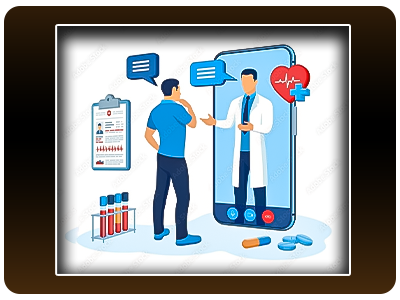
Health Assistant
This Project AI can help hospitals and clinics to identify and diagnose diseases earlier, which allows for more effective treatment. By using AI to analyze patient data and make accurate diagnoses, healthcare providers are able to provide patients with the most effective care possible.

Jarvis Assistant
This Project Jarvis AI can be implemented in various forms, such as standalone applications, integrations within existing platforms, or as part of smart devices, aiming to enhance productivity, convenience, and user experience in different domains like personal organization, business operations, customer service, and more.

Shopping Guide
This Project By implementing these steps and leveraging prompt engineering techniques, you can create a robust shopping guide assistance system powered by AI, capable of providing valuable recommendations and assistance to users in their purchasing decisions.

Order Bot
This Project Building an order bot AI involves a comprehensive approach that combines conversational design, AI technologies, integration with backend systems, and a focus on user experience to create an efficient and user-friendly ordering system.

PDF Content Reader
This Project By following these steps and leveraging prompt engineering methodologies, you can develop an AI-powered PDF converter capable of efficiently handling diverse document formats and converting them into high-quality PDF files based on user instructions.

Text to Image Generator
This Project By following these steps and employing prompt engineering methods, you can build a Text to Image Generator AI system capable of translating textual descriptions into corresponding visual representations effectively.



.png)
Watch our free demo class and experience our teaching in Telugu from our Industry experts.
The education offered by Python Life is industrial education. We are known for our course programs. And whatever we teach, it starts from scratch to advanced level. An experienced instructor is available to him 24/7 to clear any doubts.
Yes, all concepts are taught from basic to advanced level and the instructor will check if students understand before moving on to more subjects.
Of course, Python Life trains students according to industry requirements and specifications. We also conduct in-house planning and mock interviews.
There are no eligibility criteria for this course, which is taught from start to finish, so anyone interested in the course can participate.
Yes, you will receive a course completion certificate from Python Life when you submit your project at the end of the course.
Sorry, No refunds.
You can join by paying from our site. Immediately after payment, you will receive a confirmation from us to guide you through the further process.
Yes, all sessions will be recorded and will be provided for the students.

PythonLife is a Telugu-first EdTech platform dedicated to making technology learning simple, practical, and career-focused. Since 2020, we have helped students and professionals learn in-demand technologies including Python, Data Science, AI, Machine Learning, Generative AI, Agentic AI, DevOps, SQL, Java, and Power BI through practical, industry-oriented training.
Copyright © 2026 Python Life